Photo ethics:
All images are taken with informed consent or documented anonymisation. Read our
. Visual content follows the
on mental health.
Featured essay
16 photographs
All subjects photographed with written informed consent. Some names changed at subjects’ request.
Inpatient care · Kenya
Inside: six months in a Nairobi psychiatric ward
I spent six months photographing this ward. The hardest part was not the illness. It was watching how easily people get forgotten once the door closes behind them.
Photographer [Name] spent six months with permission from staff and patients at [facility], documenting the daily texture of inpatient psychiatric care, the boredom, the small moments of connection, and the dignity that persists in the hardest circumstances.
N
[Photographer Name]
Nairobi, Kenya · Documentary photographer
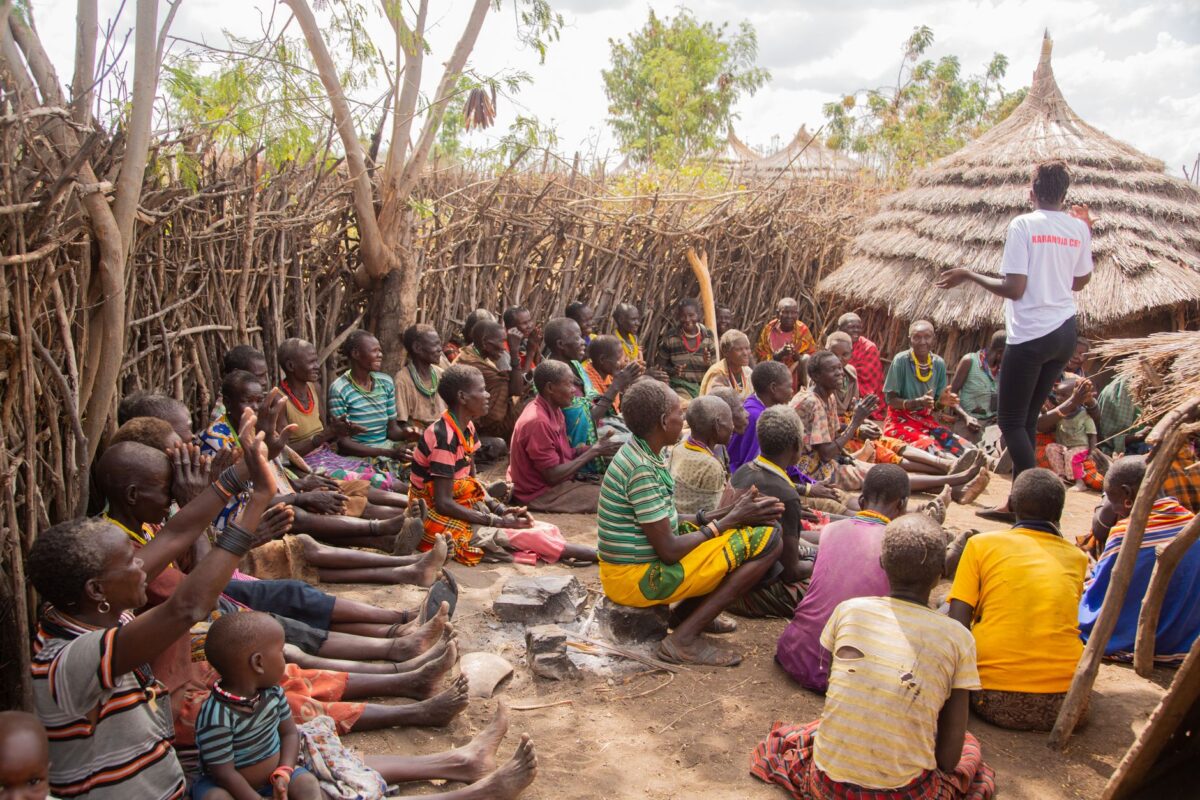
The healers: community mental health workers in rural Uganda
Community 12 photos The healers: community mental health workers in rural Uganda I didn't have words for what I was feeling, so I went to the herbalist first. He listened. Then he told me to also see a doctor. That surprised me, and it helped. Portraits of the village health workers bridging the gap between traditional healing and clinical care in Lira district. [Photographer Name]Lira, Uganda
Generation: young Nigerians speaking about mental health on their own terms
Youth 20 photos Generation: young Nigerians speaking about mental health on their own terms Some days I just sit with them. We don't talk about medication or diagnoses. We talk about the goats, the harvest, who is getting married. That is the work too. A generation that grew up watching celebrities talk about therapy is reshaping how Lagos speaks about the mind. [Photographer Name]Lagos, Nigeria
Mourning season: collective grief and its rituals in western Kenya
Grief 9 photos Mourning season: collective grief and its rituals in western Kenya My son asked me why I was crying for no reason. I didn't have an answer for him then. I do now, and I wish someone had given it to me sooner. What does grief look like in a community that mourns together? Photographs from three funerals in Kisumu County. [Photographer Name]Kisumu, Kenya
After the ward: life after inpatient psychiatric care in South Africa
Recovery 14 photos After the ward: life after inpatient psychiatric care in South Africa When the ward discharged me, nobody told my family what to expect. We learned by getting it wrong, over and over, until we got it a little less wrong. Recovery is not a clean line. Portraits of eight people in the months after discharge from Johannesburg psychiatric facilities. [Photographer Name]Johannesburg, South Africa
Carrying it: portraits of men who asked for help
Men's mental health 11 photos Carrying it: portraits of men who asked for help We buried my brother on a Thursday and I went back to work on Monday. Nobody asked if I was okay. I have started asking other people now. Seven men from Dar es Salaam, Kampala, and Accra who agreed to be photographed and interviewed about seeking mental health support. [Photographer Name]East & West Africa
Invisible: homelessness, mental illness, and the streets of Nairobi
Street documentary 18 photos Invisible: homelessness, mental illness, and the streets of Nairobi I thought therapy was for people who couldn't cope. Then I went, and realised I had been coping, just badly, and alone, for a very long time. Photographed with the participation of a street-based mental health outreach programme. All subjects identified and consented individually. [Photographer Name]Nairobi, Kenya
How we photograph with dignity.
Mental health photography carries unique ethical responsibilities. These are the standards every photographer working with The Mind Project commits to.
Informed consent always
Written consent from every identifiable subject, documented before photography begins. Anonymous subjects require documented anonymisation decisions.
Dignity over impact
We do not publish images that reduce a person to their illness, crisis, or distress. Photographic power never overrides human dignity.
Special care for vulnerable subjects
Photographs of people in acute crisis, inpatient settings, or involving minors require enhanced consent processes and editorial review.
Read our full Photo Ethics & Consent Policy →
Submit a photo essay.
We are looking for documentary photographers across Africa working on mental health subjects, in communities, clinical settings, or public spaces, who want to publish with us.
- Documented consent for all identifiable subjects
- 8-20 images at 300dpi minimum
- 150-word editorial summary and photographer bio
- Willingness to work through our photo ethics review process
Or email editor@themindproject.africa with your portfolio and a brief description of your proposed essay.
If these images brought something up for you,
Visual stories about mental health can be powerful and sometimes unsettling. If you need support, we are here to help you find it.
In crisis? Befrienders Kenya: +254 722 178 177 (Monday to Friday, 9am to 5pm)