Why The Mind Project exists.
Clinically grounded, community rooted, and built in Nairobi for the whole of Africa. Here is who we are, and what we stand for.
A space built with care.
Across Africa, mental health is one of the most significant, and most ignored, dimensions of human wellbeing. Millions of people carry depression, anxiety, trauma and grief without any support. Not because help is impossible. Because stigma makes asking for it feel dangerous. Because resources are scarce. Because the stories told about mental illness in our media rarely sound like anyone’s actual life.
The Mind Project was born from a simple conviction: that every person deserves to see their experience reflected, named, and treated with dignity. We were founded by clinical psychologists and storytellers who understand both the scientific dimensions of mental health and the profoundly human experience of struggling with it. We know that a well-told story can do something a clinical manual cannot: it can make a person feel less alone.
We tell these stories not as observers, but as people who understand what it costs to ask for help. And what it means when someone finally does.
We are not a therapy service. We do not provide clinical treatment. What we provide is something that mental health care often lacks: a human voice. Stories of people who have walked through darkness and found something on the other side. Resources explained clearly, without jargon. A community that does not require you to be well before you are welcome.
The Mind Project is operated by Deep Light Media Limited, a Nairobi-based media company. Everything here is guided by evidence, by ethics, and by an unwavering commitment to the dignity of every person whose experience we represent.

Clinically grounded. Community rooted.
Built in Nairobi, Kenya, for the whole of Africa.
Our vision
A continent where no one faces mental illness alone, and where asking for help is an act of strength, not shame.
Our mission
To reduce stigma, provide trusted mental health information, and build community through evidence-grounded storytelling across Africa.
The need is real, and it is close to home.
people across East Africa will experience a mental health condition in their lifetime, yet fewer than 1% have access to adequate care.
people estimated to live with depression across Africa, most without any support or treatment (WHO/GBD).
treatment gap: those who need care but cannot access it.
shame in seeking help. The number we are working toward.

Too few hands for too much need.
psychiatrist per 1,000,000 people in sub-Saharan Africa (UNICEF/WHO).
mental health specialists per 100,000 people in Africa, against a global average of 9 (BJPsych International, 2025).
per capita allocated to mental health by most African governments, against the WHO minimum of $2.
In Kenya, roughly 45 psychiatrists serve 50 million people. Sources: UNICEF/WHO joint statement; Rammouz et al., BJPsych International, 2025; Health Pulse, 2026.
Three ways The Mind Project serves you.

Stories that reflect your experience
First-person essays, interviews and longform narratives from Africans living with depression, anxiety, trauma, burnout and more, told with dignity, without sensationalism, and with clinical accuracy.

Trusted resources and information
Evidence-based articles, guides and explainers written and reviewed by clinical psychologists. Complex mental health concepts made accessible, in language that sounds like a person, not a textbook.
Community that holds space
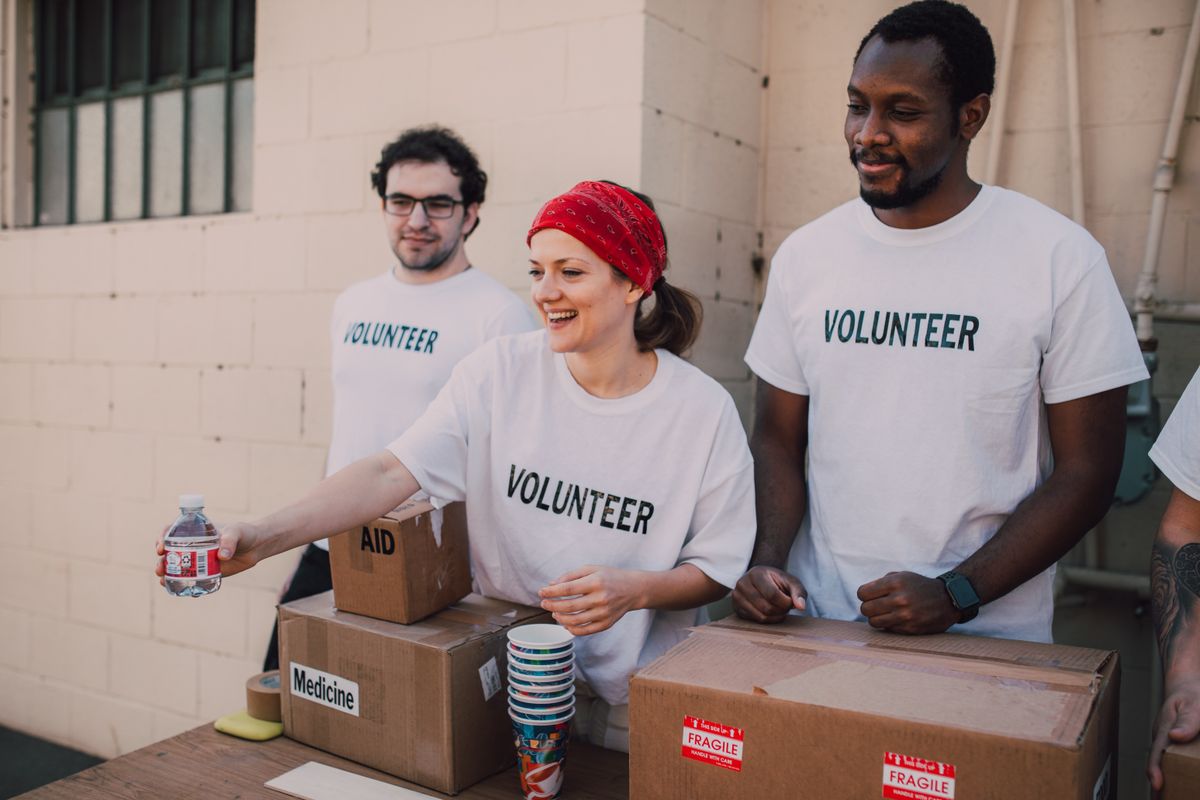
A moderated, safe community where people across Africa can share, listen and support one another. No judgment, no advice given without asking for it, no one required to have it all together.
Our values are not aspirations. They are commitments.
Six commitments shape every story we publish, every resource we write and every space we host.
You are more than your diagnosis.
Every person is whole, complex and irreducible to a condition or a crisis. We tell stories that honour the full human being, not just the moment of struggle.
Stigma is dismantled by proximity.
The most powerful antidote to stigma is contact with honest human experience. Every story we publish is an act of stigma reduction, not through persuasion but through recognition.
Evidence without jargon.
The clinical evidence base on mental health is vast and important. Our job is to make it understandable and actionable for people who are not psychologists, without sacrificing its accuracy.
Safety is not negotiable.
Every editorial decision is measured against one question: does this content make someone in distress safer, or does it put them at greater risk? Safety comes first. Always.
African contexts require African answers.
Mental health does not exist outside of culture, community, history and place. Western frameworks are starting points, not final answers. We centre African voices, research and realities.
Community over content.
We are not building an audience. We are building a community. Audiences consume, communities support. We want readers to feel held, not just informed.
Stories don't just inform. They change how we see ourselves.
Here is the pathway from a story on a screen to a person seeking help.
Recognition
A reader sees their experience in someone else’s story. The isolation of suffering begins to break.
Normalisation
Repeated exposure to honest mental health stories reduces shame and signals that struggle is human, not weakness.
Agency
Armed with trusted information and community, a person begins to feel that change is possible, and that help exists.
Action
They seek care, speak to someone, or simply tell a friend what they have been carrying. That is enough.
This is a safe space. In every sense.
Not a slogan. A structural commitment. Here is exactly what we guarantee to every person who comes to The Mind Project.

We follow the WHO media guidelines
on mental health reporting, including specific protocols for suicide and self-harm. These are non-negotiable.
Every piece of clinical content is reviewed
by a qualified psychologist before publication. We do not publish information that could cause harm, however unintentionally.
We always signpost to professional help.
The Mind Project is a companion to care, not a replacement for it. Every resource page links to services. Every story includes a support footer.
Your privacy is protected.
We do not sell data, we do not share your information with advertisers, and we treat your engagement with this platform with the confidentiality it deserves.
Community spaces are moderated.
Every discussion space is actively managed by trained moderators who remove harmful content and support members in distress.
Find stories that speak to your experience.
Every story is tagged. Pick a topic and jump straight to it.
The people behind The Mind Project.
We are clinicians, journalists, photographers and community builders, united by the belief that mental health stories deserve to be told with rigour, care and dignity. All clinical content is reviewed by registered mental health professionals, and their credentials are displayed on every piece they review.
Moses Manyara
Leads The Mind Project's editorial direction and writes Notes from a Therapist.
Clinical review team
Registered mental health professionals review clinical content before publication. Named reviewers and credentials appear on each reviewed article.
Editorial team
Journalists, writers and photographers across Africa who report, edit and illustrate our stories with care.
Want to join our team?
We are always looking for journalists, clinical reviewers, photographers and community moderators across Africa.
Healing happens together.
Whether you are here because you are struggling, because you love someone who is, or because you believe mental health deserves more than it gets in African public life, you belong here. No entry requirements. No prerequisites. Just come as you are.
In crisis? Befrienders Kenya: +254 722 178 177 (Monday to Friday, 9am to 5pm) · All support resources
- People living with depression, anxiety, trauma, burnout, or any mental health challenge
- Families and friends who want to understand and support someone they love
- Mental health practitioners seeking accessible resources to share with clients
- Young people navigating mental health for the first time
- Anyone who has ever felt that their mental health struggles were not taken seriously
- People who simply want a community that understands